

A State Shaped by 58: The Diverse Landscape of California’s Counties
Back to News
The Golden State is comprised of 58 puzzle pieces – each with its own unique landscape, economy, challenges, and strengths. And when those pieces come together, they form something far greater than any one county could alone: the California we all call home.
Counties are the front-line service providers for their communities, delivering essential needs every day. We understand better than anyone the difficult road ahead. When funding cuts are made from the top, counties often feel them hardest. No matter our size or political makeup, we share the responsibility of supporting residents with limited and often uncertain resources.
While it’s easy to focus on the challenges, it’s just as important to recognize what makes each county unique and special.
Some counties are vast. San Bernardino is the largest county in the contiguous United States by land area.

Los Angeles County is the most populous county in the nation.

Others are small and deeply rural. Alpine is the least populous county in California, with just over 1,000 residents (for those doing the math, it works out to about two people per square mile). This county is entirely rural, with no incorporated cities – most of the population is concentrated around a few remote mountain communities.
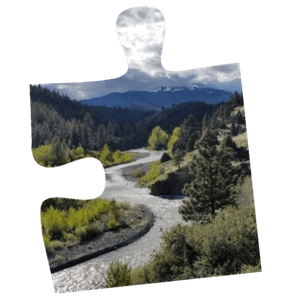
Some counties are defined by extraordinary geography. Inyo County contains both the highest and lowest points in the contiguous United States, Mount Whitney and Badwater Basin, within its borders.

Look north to Sutter County, where the Sutter Buttes rise from the valley floor as the smallest mountain range in the world.

Agriculture is central to many county economies. California is the nation’s largest agricultural producer and the sole producer of several specialty crops. Fresno County frequently ranks as the top agricultural county in the state, but it’s far from alone.
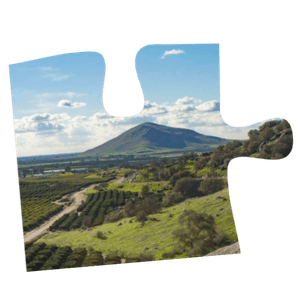
In Tulare County, cows are a central part of the culture, with nearly 400,000 dairy cows producing more than 8.9 billion pounds of milk each year.

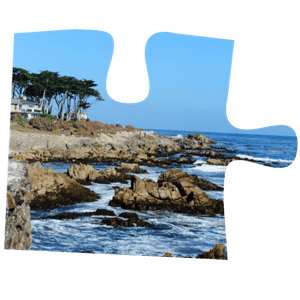
Monterey County is home to the “Salad Bowl of the World”.
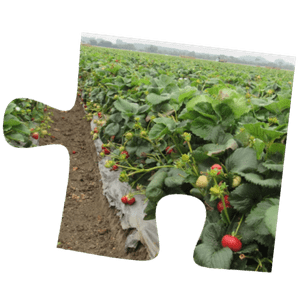
Ventura County leads in strawberry production.
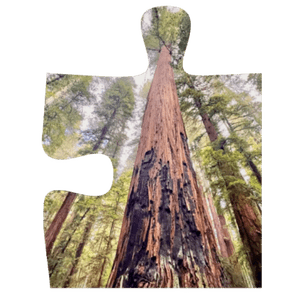
California’s counties are also home to remarkable biodiversity. Humboldt County’s redwood forests create a rare ecosystem shaped by coastal fog and old-growth habitat. The world’s tallest tree, “Hyperion,” resides there, stretching six stories higher than the Statue of Liberty.
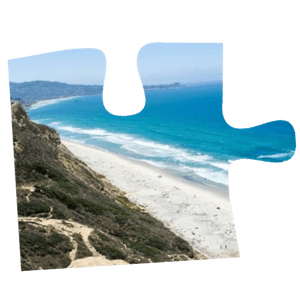
On the other end of California’s coast, San Diego County boasts more biodiversity than any other county in the country with over 1,500 native plant species and 650 native bees.
What makes each county unique is also what makes California strong. Every county brings its own perspective, expertise, and approach to solving problems. Some innovate in public health, others in housing or transportation. Together, these differences allow counties to learn from one another, fill gaps, and balance each other’s strengths and challenges.
CSAC is here to help every county connect, collaborate, and thrive. By sharing knowledge and working together, counties can meet the needs of their communities more effectively than any could alone. Our diversity is our power, and when we combine it, we make California stronger for everyone.