

CSAC President’s Tour Concludes in Napa and Sonoma Counties
Back to News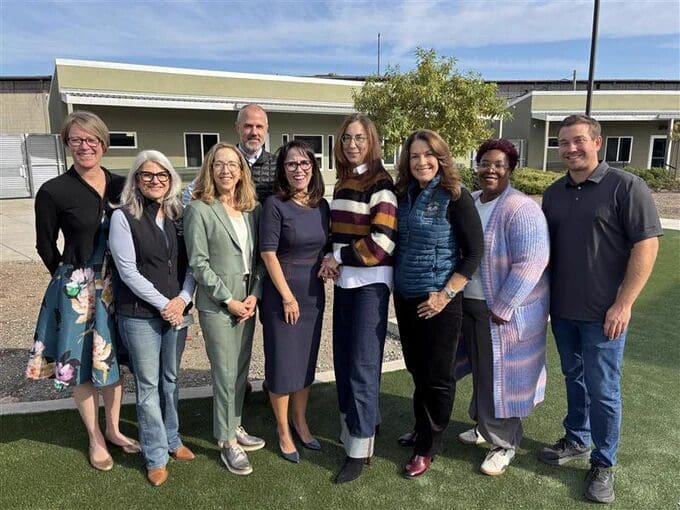
The 2026 CSAC President’s Tour is in the books.
Santa Clara County Supervisor Susan Ellenberg visited the final two of her 13 county visits last week when she and CSAC Chief Operating Officer Chastity Bension toured Napa and Sonoma counties.
Supervisor Anne Cottrell hosted the Napa County visit, joined at various points by Supervisors Liz Alessio and Joelle Gallagher, County Executive Officer Ryan Alsop and Assistant County Executive Officer and Chief Operating Officer Jennifer Palmer.

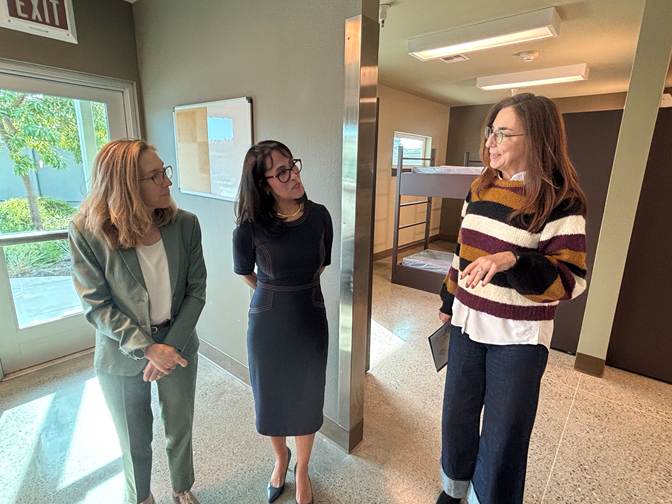
The first stop was Napa County’s new Behavioral Health Treatment Center, which county leaders expect to open by June 2027. Health and Human Services Agency Director Jennifer Yasumoto led a tour focused on the county’s expanded residential substance-use treatment and withdrawal-management program. The center will also bring a mental health rehabilitation program and a sobering center to the same campus, strengthening connections across the county’s behavioral health system.
The group also learned about the recent expansion of Napa County’s Crisis Stabilization Unit. The project created a dedicated four-bed space for children and youth, increased adult capacity from six to eight beds and raised the unit’s total capacity by 50 percent. The expansion gives young people and their families access to short-term psychiatric assessment and stabilization closer to home.
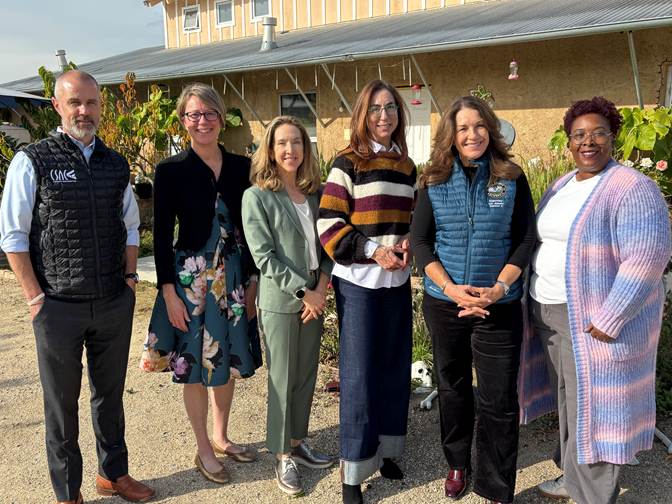
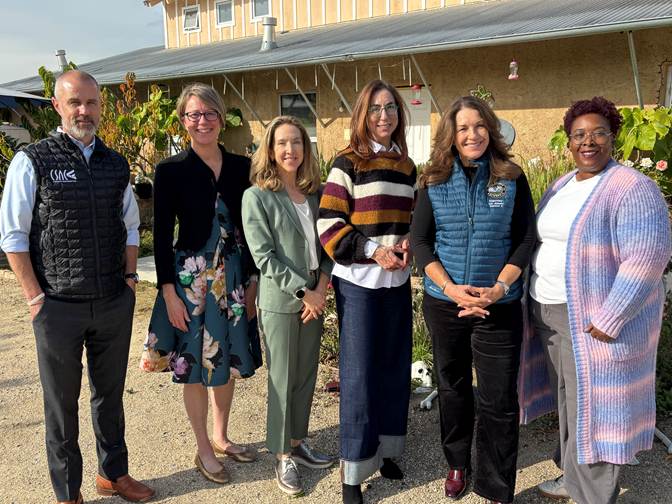
The tour continued at the River Ranch Farmworker Center, one of three publicly owned and operated farmworker centers in Napa County. County leaders discussed the importance of stable, affordable housing for the agricultural workforce that supports one of the region’s signature industries. River Ranch can house up to 60 workers and provides meals, laundry facilities and other basic supports.

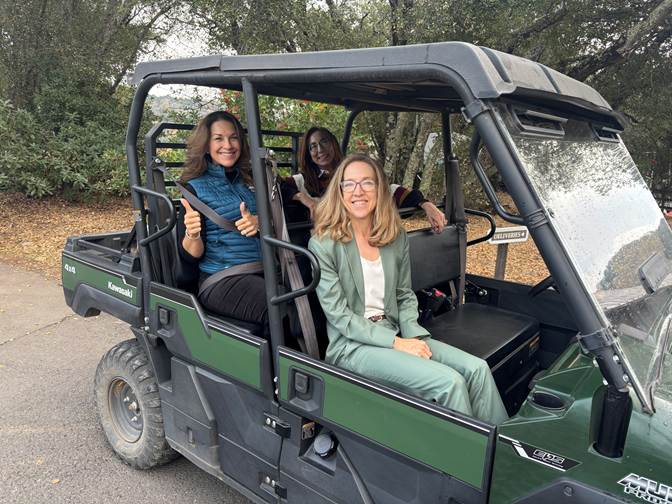
Napa County’s final stop was high atop Pritchard Hill, where Chappellet Winery’s Fire Chief Kevin Twohey shared the property’s approach to wildfire resilience. Twohey, a former Napa County Office of Emergency Services coordinator, explained how vegetation management, trained staff, firefighting equipment and coordination with local Fire Safe Councils can help private landowners prepare before a wildfire starts.
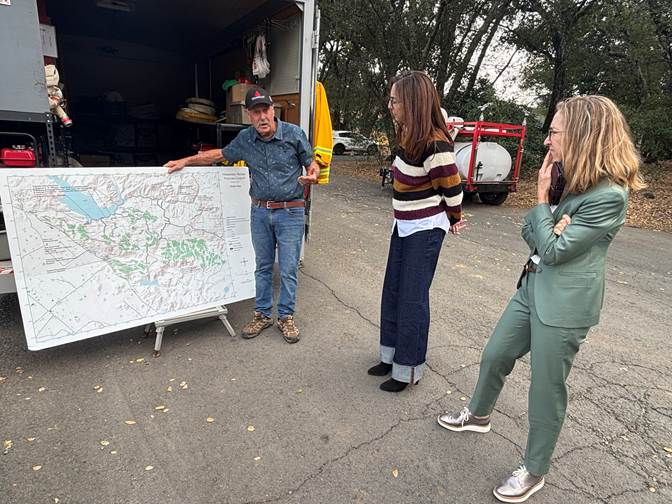
The next morning, Supervisor Rebecca Hermosillo and County Executive David Guhin led the Sonoma County visit. Heavy rain turned the first two stops into driving tours, but it did not slow the conversation.
After breakfast, the tour kicked off at Supervisor Hermosillo’s district office, which is hosting diaper distribution drives each month in partnership with a local volunteer organization.

The group then drove through the former Sonoma Developmental Center, a state-owned campus that closed in 2018 after more than a century of serving people with developmental disabilities. County leaders discussed plans to redevelop the property as a mixed-use community while balancing housing, economic development, historic preservation and the protection of open space.
At Los Guilicos, county leaders discussed the county’s vision for the large, county-owned property as a comprehensive Safety Net Campus. The site already brings together foster-youth services, juvenile justice, inpatient psychiatric care and emergency shelter for people experiencing homelessness. A new youth crisis facility is under construction, and the county is pursuing a major expansion of residential mental health and substance-use treatment services.
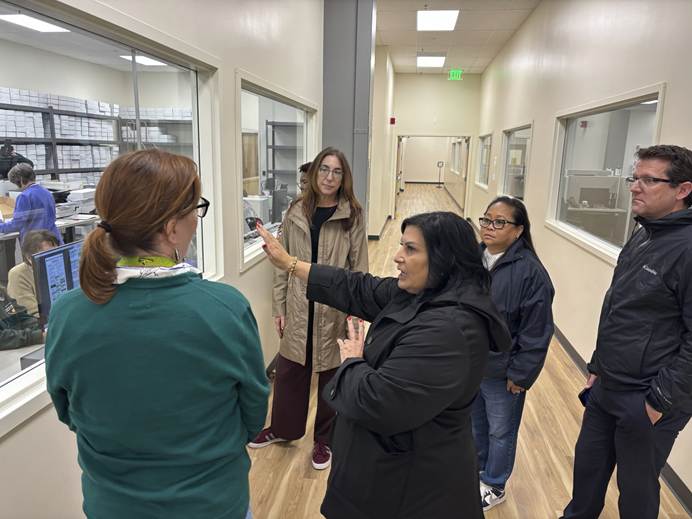

An unscheduled visit to the Sonoma County Registrar of Voters office offered an inside look at county government in action. Registrar of Voters Evelyn Mendez and Chief Deputy Registrar of Voters Wendy Hudson showed the group how ballots are received, sorted, verified and counted. Election workers were processing ballots ahead of the state’s November 16 interim reporting deadline, when counties must finish counting and report most ballots while continuing work on provisional, conditional and signature-cure ballots.
The visit concluded with Sonoma County leadership discussing several of the most pressing issues facing the county: the local impacts of H.R. 1, aging infrastructure, tribal relations and airport growth. Those conversations connected the projects seen during the tour to the broader fiscal and policy decisions counties face every day.
The two-day North Bay visit completed President Ellenberg’s 13-county tour. Each county offered a different story, but the lesson was consistent: Counties are where statewide policy becomes real, and local leaders are building practical solutions around the needs of their communities.